Polymer informatics
ADEPT and PolyGraphMT
Automation and graph-learning tools for polymer simulation data generation, multi-fidelity property learning, and reusable polymer informatics workflows, paired with the polymer-property Space.
Projects
Selected research projects, open-source tools, and interactive demonstrations spanning thermal transport, polymer informatics, molecular simulation, and scientific AI.
Public repositories and web-based demonstrations that make the research workflows more accessible and reusable.
Polymer informatics
Automation and graph-learning tools for polymer simulation data generation, multi-fidelity property learning, and reusable polymer informatics workflows, paired with the polymer-property Space.
Thermal polymers
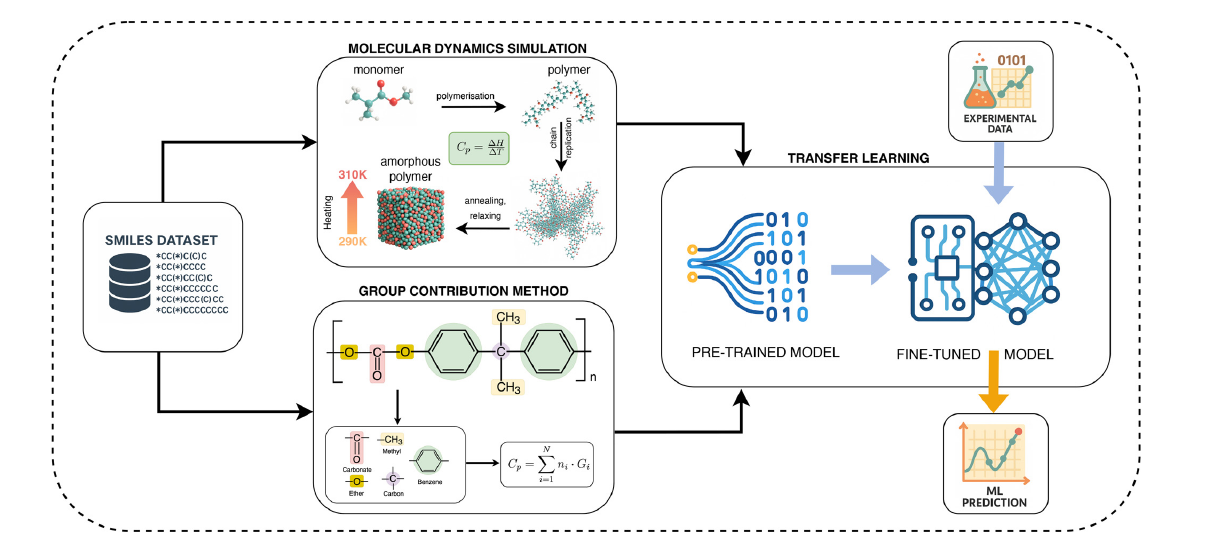
Transfer-learning workflow for polymer specific heat capacity prediction, combining molecular simulation signals with data-driven property models.
Scientific data agents
Interactive Hugging Face demonstration related to the Quest2DataAgent work, focused on polymer-oriented retrieval and research-question-driven data access.
Tutorial resources
Teaching-oriented molecular dynamics materials for polymer simulation workflows, prepared as a practical computational tutorial resource.
Publication-centered project cards summarizing the core scientific question, computational approach, and available paper links.
01 | 2026
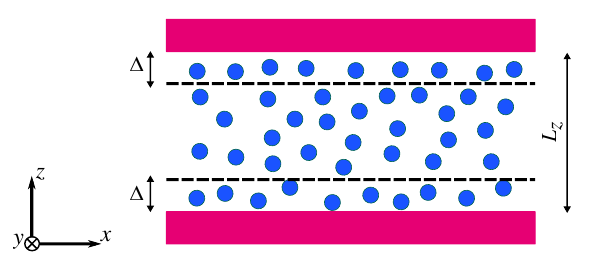
NAVIS is a LAMMPS-Python framework for computing Navier friction coefficients, Kapitza resistance, velocity slip, and thermal slip at solid-fluid interfaces using equilibrium molecular dynamics.
02 | 2026
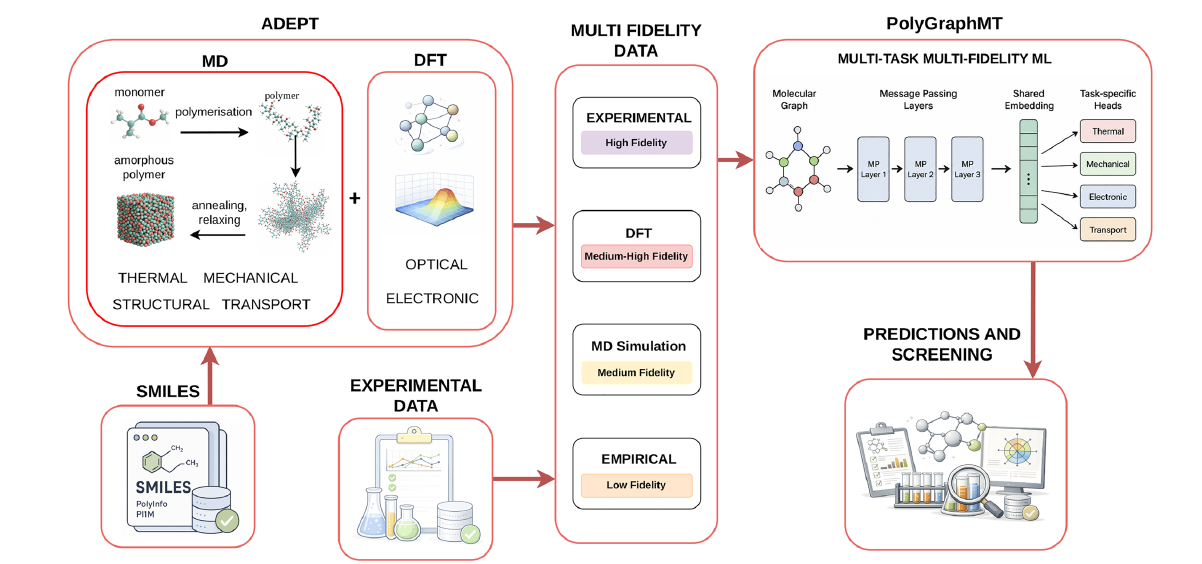
An automated polymer informatics framework combining molecular simulation, multi-task learning, and multi-fidelity graph neural networks for scalable polymer property generation and prediction.
03 | 2026
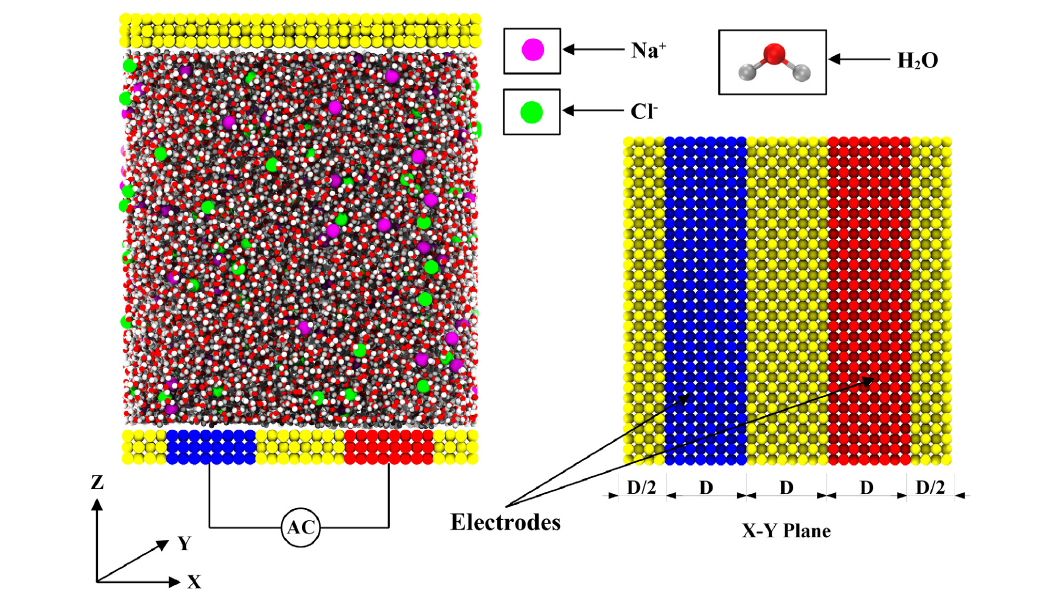
This work uses molecular dynamics to explain how high-frequency AC fields generate localized heat, water orientation changes, and directional flow in asymmetric nanopore electrode systems.
04 | 2026
A transfer-learning workflow integrates molecular dynamics, group contribution estimates, and experimental data to predict polymer heat capacity and screen candidates for thermal applications.
05 | 2026
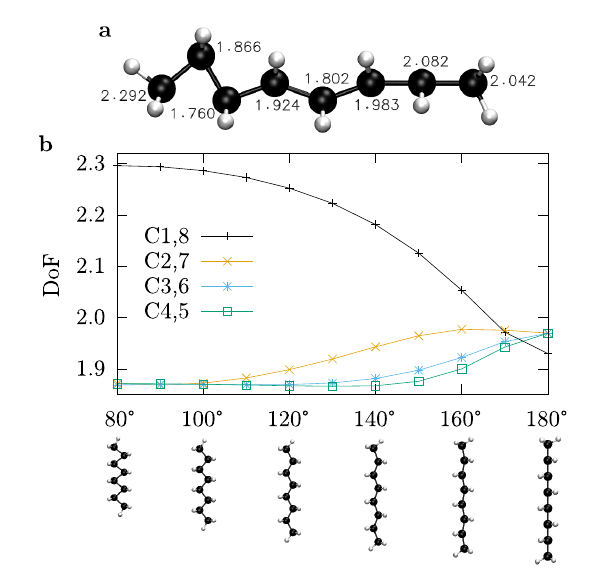
Dofulator calculates per-atom and per-direction degrees of freedom for constrained molecular systems, supporting more reliable local kinetic temperature analysis in molecular simulations.
06 | 2025
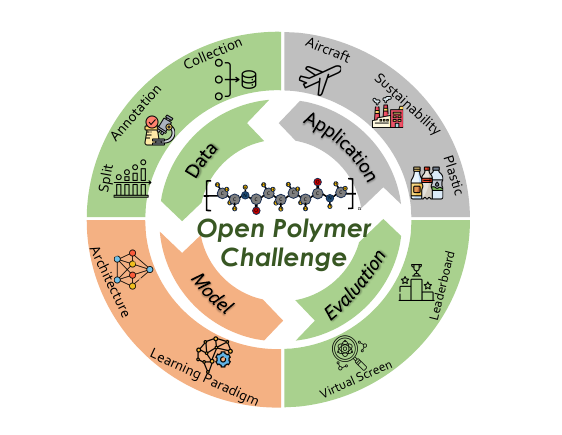
The report summarizes a community benchmark for multi-task polymer property prediction, highlighting dataset construction, model performance, and lessons for future polymer informatics challenges.
07 | 2025
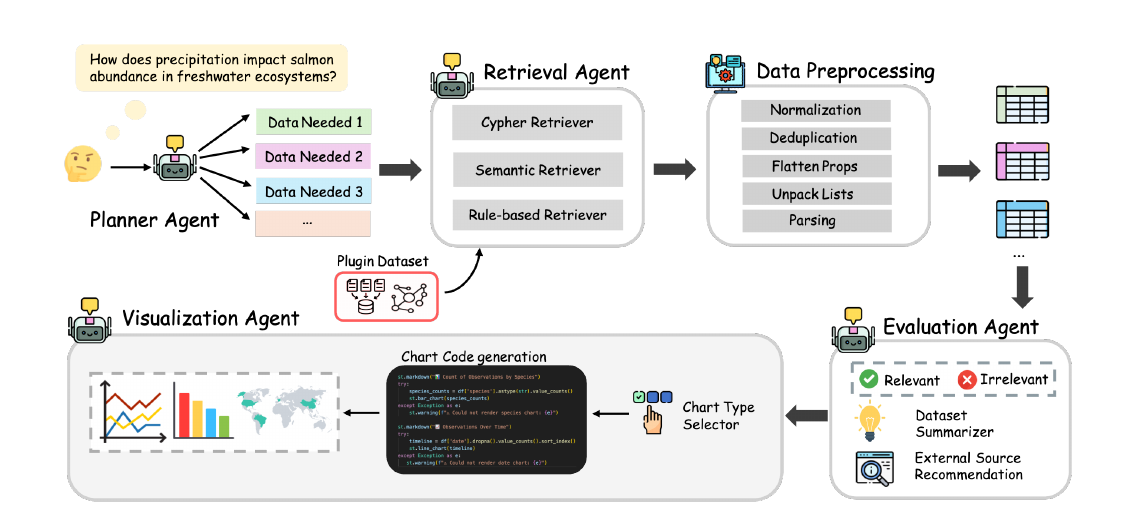
A multi-agent framework for automating scientific data collection from natural-language research questions, including task decomposition, retrieval, quality checks, and visualization.
08 | 2026
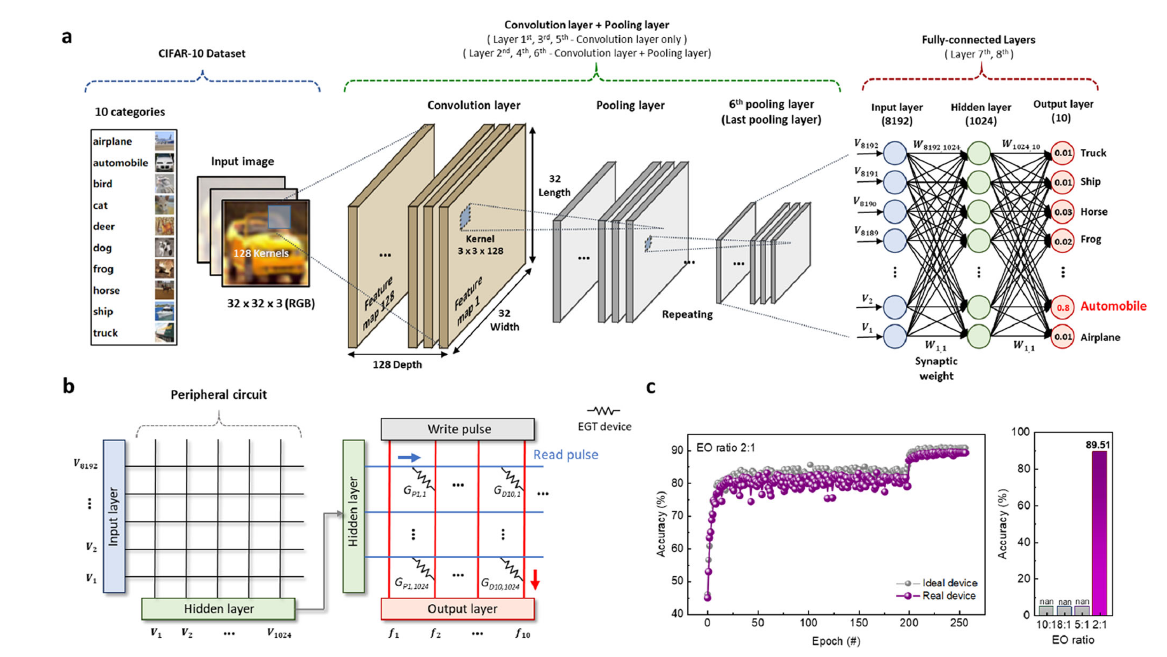
This collaborative study combines molecular dynamics and experiments to understand how ion concentration influences electrolyte-gated transistor behavior and tunable synaptic weight modulation.
09 | 2024
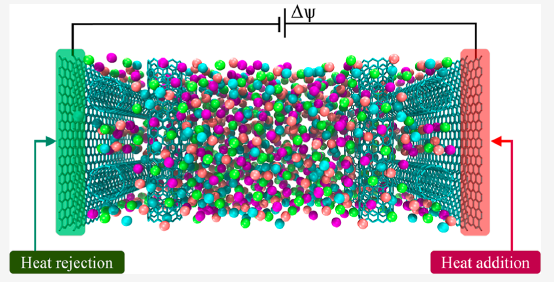
Molecular simulations reveal how graphene/CNT composite electrode structure affects interfacial thermal transport, electrical performance, and structural behavior in supercapacitor systems.
Earlier Work
10 | 2022
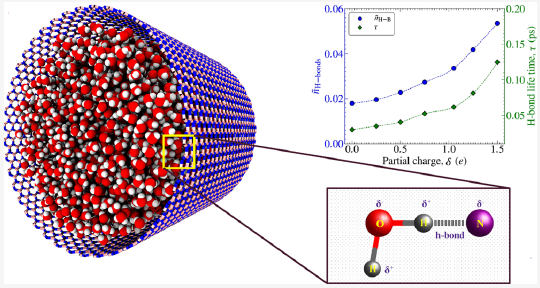
This project investigates how partial charges, ion concentration, electric fields, and hydrogen bonding influence interfacial thermal resistance at hexagonal boron nitride-water interfaces.
11 | 2021
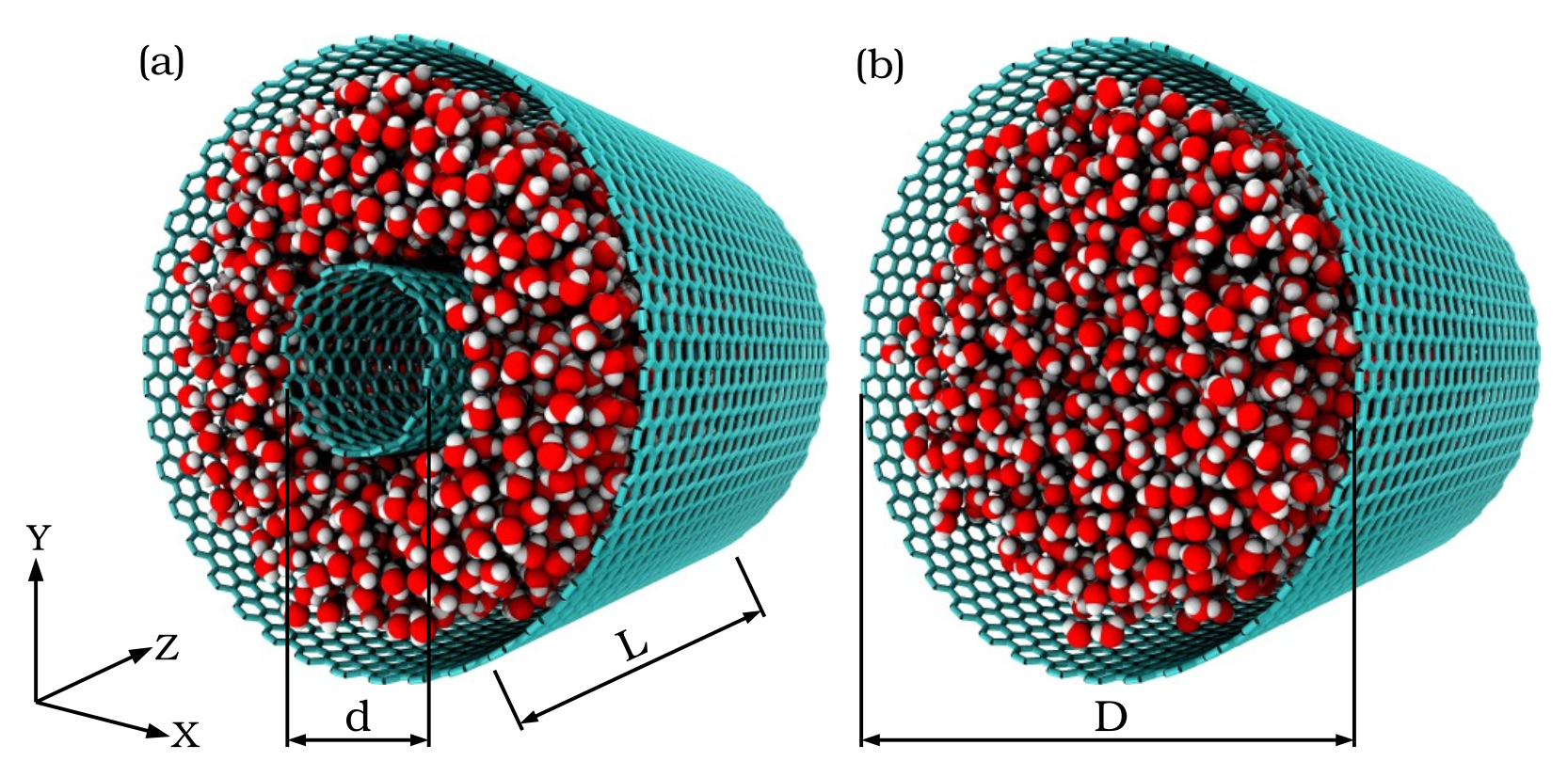
An equilibrium molecular dynamics approach is used to quantify Kapitza resistance for water confined inside carbon nanotubes and to reveal the role of nanotube diameter and confinement.
12 | 2020
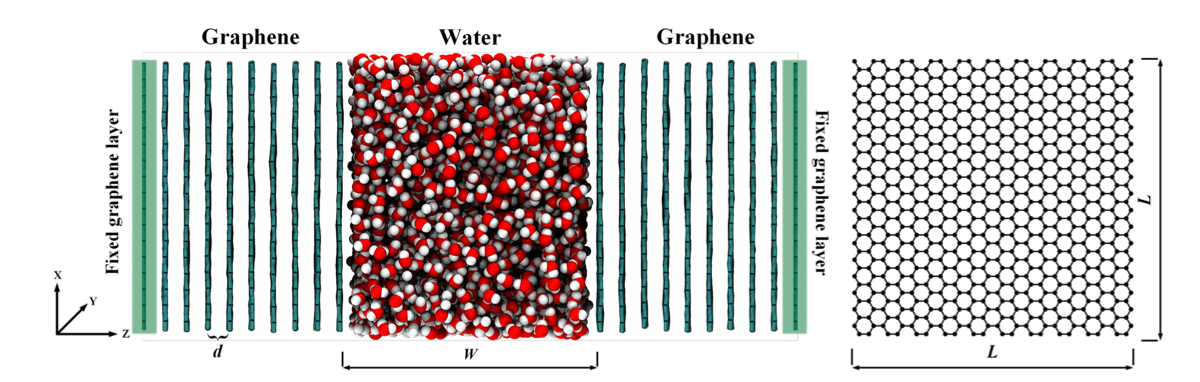
This study computes interfacial thermal resistance at water-graphene interfaces and analyzes molecular mechanisms controlling heat transfer across planar solid-liquid interfaces.
13 | 2019
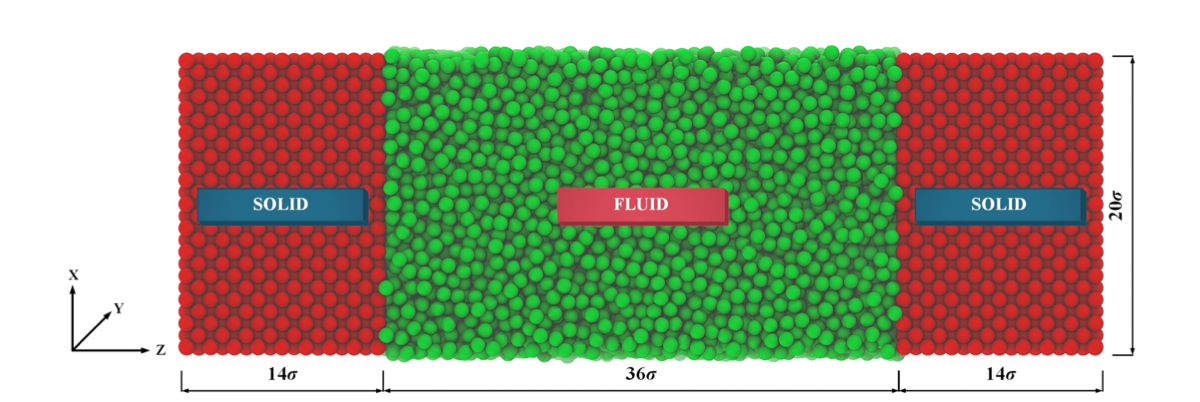
This work develops and validates an equilibrium molecular dynamics route for predicting interfacial thermal resistance at fluid-solid interfaces using molecular-level energy correlations.
14 | 2018
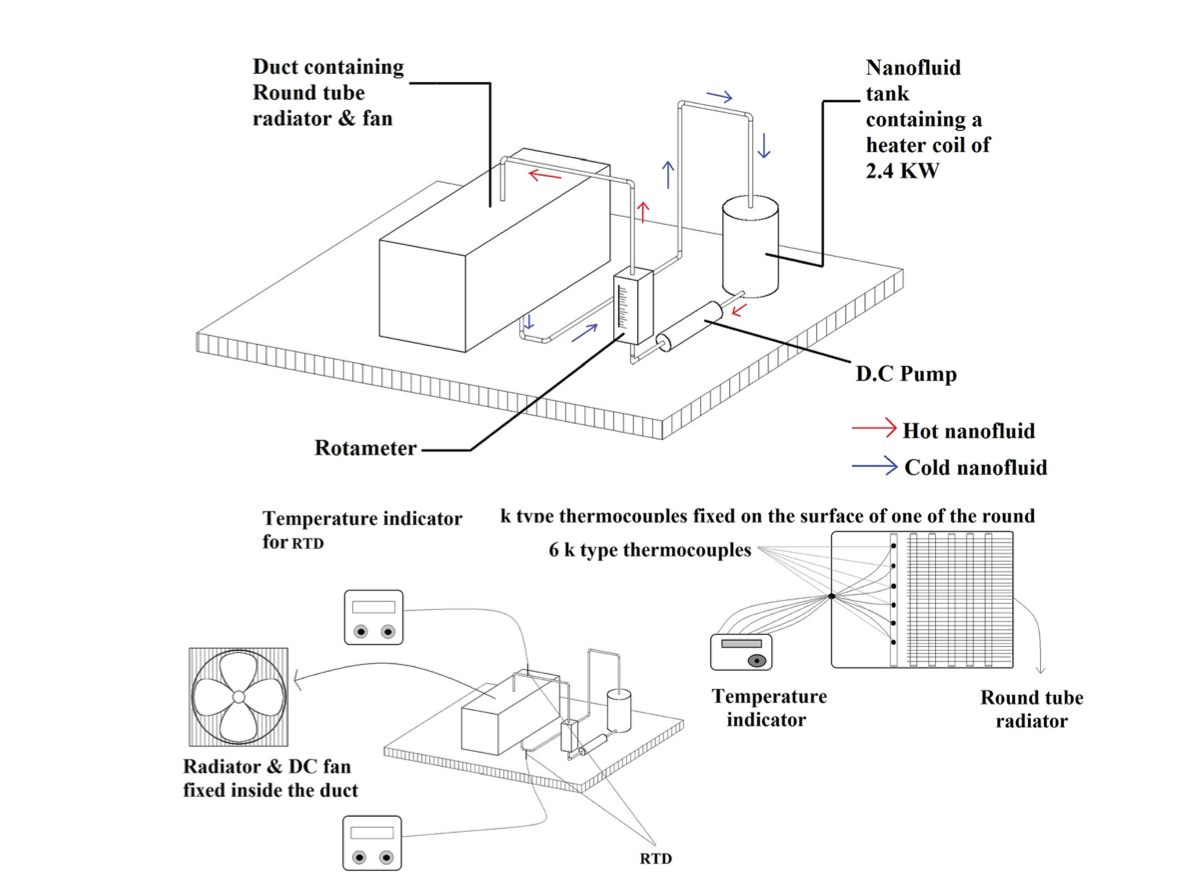
Experimental and numerical analysis of forced convective heat transfer in a circular tube radiator using Al2O3 and CuO nanofluids, including heat-transfer enhancement and pumping-power tradeoffs.
15 | 2017
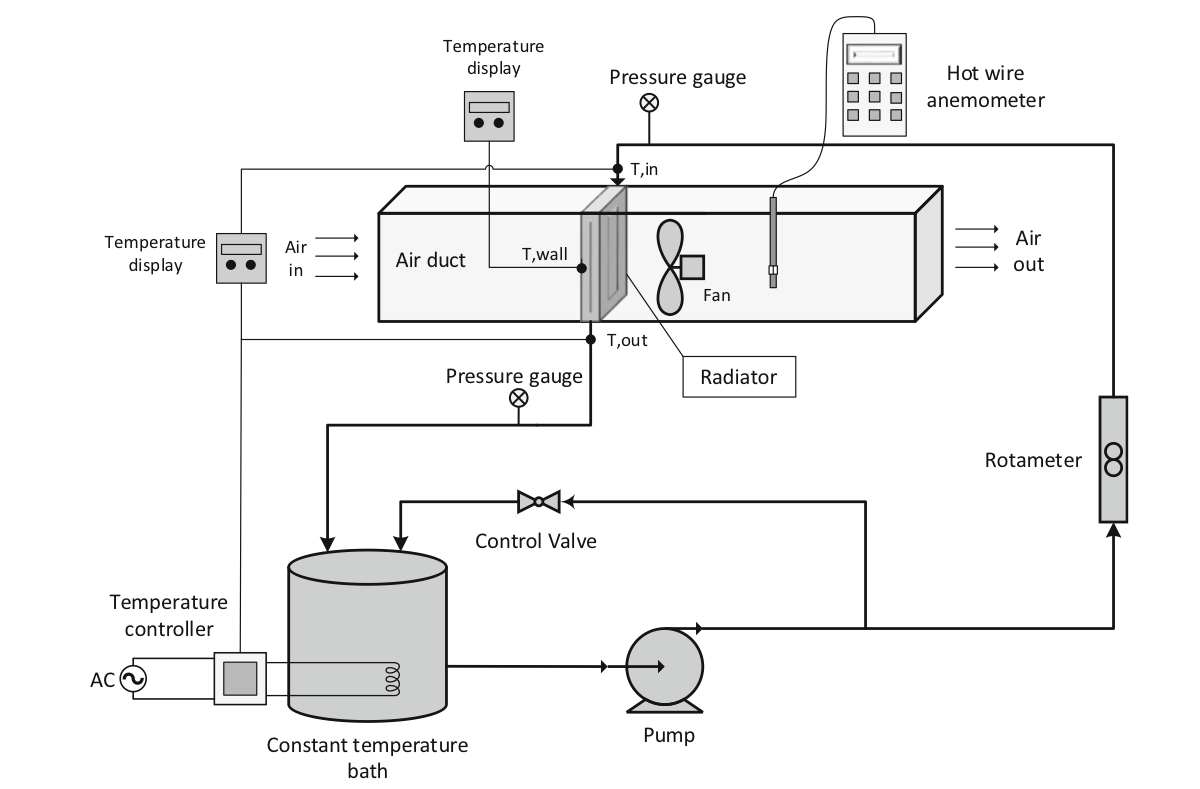
This project studies heat-transfer enhancement in flat-tube automotive radiators using Al2O3 and CuO nanofluids through combined experimental measurements and numerical modeling.